Navigating the evolving Middle East crisis: travel, risk and insurance considerations
The security landscape in the Middle East has shifted dramatically since the joint U.S. and Israeli strike on Iran on Saturday, triggering a surge in demand for crisis support. International SOS has already received more than 1,000 assistance requests from organisations and travellers worldwide (data accurate as of 2 March), underscoring the scale and urgency of the situation.
With casualties in Iran now estimated to exceed 500, widespread airspace closures across Iran, Qatar, Kuwait and Bahrain, and significant disruption across global flight corridors, the impact on mobility and business operations is substantial.
Experts warn that tensions are expected to continue for an extended period, with mediation anticipated to stretch across several weeks. As instability persists, the downstream impact on global operations, duty‑of‑care responsibilities and insurance arrangements is becoming increasingly apparent.
In response to this heightened risk environment, insurance underwriters have begun issuing exclusion clauses related to war and civil unrest exposures, with further amendments expected imminently. Willis Temby notes several categories of insurance are likely to be affected as a direct result of the evolving crisis:
Operational Insurance Coverage
Following significant geopolitical events, underwriters reserve the ability to stimulate a ‘72-Hour Trigger’; a contractual mechanism allowing insurers to review, negotiate or restrict coverage related to a known event. This applies specifically in relation to major incidents such as war, civil unrest, terrorism or other major incidents.
Once the 72-hour window closes, the event is considered ‘foreseeable’, allowing insurers to exclude or limit coverage for claims directly arising from it.
The 72-hour trigger also serves as a protective function for insurers, preventing individuals or organisations from taking out new policies after a crisis has begun and claiming for losses they already know will occur.
Given the escalating political and security concerns in Iran, the 72-hour trigger is likely to be activated across marine, aviation, cargo and travel insurance lines. As at 2 March 2026:
Iran’s airspace is closed, with temporary closures extending throughout the Gulf States. Airspace closures are expected to last several days if not weeks.
Land borders and roads are heavily congested. On land evacuation routes are available.
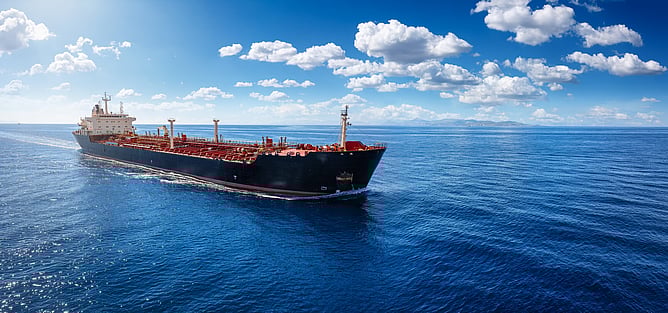
Maritime routes are currently open however there are increasing concerns for disruption at key strategic locations, including the Strait of Hormuz.
InsuranceBusiness Magazine has already reported on a number of major marine war risk providers issuing their 72-hour cancellation notices for coverage in the Middle east Gulf and the Gulf of Oman. Prior to the strikes, war risk premiums averaged 0.25% in the Persian Gulf, experts now expect this to jump by 50% or more.
As conditions continue to evolve, organisations should expect insurers to withdraw or restrict coverage for both operational and personal travel exposures into affected regions.
Travel Insurance
Travel insurance plays a critical role in protecting individuals and organisations during periods of geopolitical instability, however, it is essential to understand that many corporate and personal travel insurance policies include specific exclusions related to war, civil unrest, or acts of terrorism.
To stay informed and ensure your coverage remains eligible, we recommend monitoring the Department of Foreign Affairs and Trade (DFAT) SmartTraveller website. DFAT provides up-to-date travel advisories including alerts on safety, transport disruptions and security threats. Importantly, some travel insurance policies will automatically trigger limitations or exclusions when a destination is added to DFATs ‘do not travel’ list, which may impact the availability of trip cancellations, disruption cover or emergency evacuation.
Approximately 4.8million square metres of air space has been closed – an area roughly half the size of the US – affecting some of the busiest global flight corridors linking Europe, Asia and Africa. It will significantly impact travellers.
For Australian citizens currently located in Israel, Iran, United Arab Emirates or Qatar, seeking to return home, visit DFATs Crisis Portal for assistance.
War Risk Extensions
War‑risk extensions are highly sensitive to sudden escalations in geopolitical risk. Following a major strike or security incident, add-ons can become significantly more expensive (due to increased likelihood of loss) or difficult/impossible to obtain (insurers may withdraw or suspend coverage entirely).
Organisations operating in or near affected regions should be prepared for rising premiums, reduced availability, and tighter underwriting scrutiny over the coming weeks.
Political tensions between the US, Israel and Iran continue to evolve rapidly. For reliable updates, refer to verified sources such as International SOS.
Willis Temby provides insurance and risk advisory services in Australia, focusing on commercial and corporate solutions. We monitor evolving trends and insurance threats to safeguard our clients’ interest and ensure their coverage remains fit for purpose. If you require clarity around your policy or how current developments may affect your protection, our team is here to assist.